First, allow me to make a confession: I used to dismiss acupuncture as a trendy wellness fad. You know, the sort of stuff people write about on Instagram with hashtags like #SelfCareSunday. But after years struggling with chronic back pain from sitting at a desk all day, I was desperate. Painkillers made me foggy but didn’t last; yoga worked for a time, but we didn’t last. Then a friend raved about acupuncture. I rolled my eyes and made an appointment anyway. What I discovered was eye-opening — and it might blow your mind too.
How Acupuncture Helped Me Give Up Painkillers
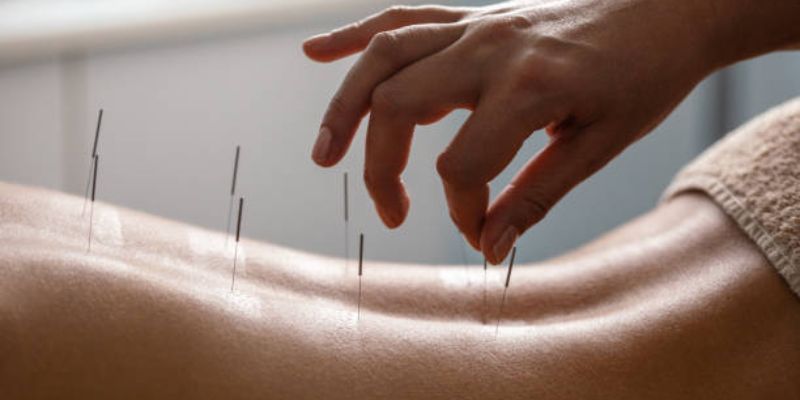
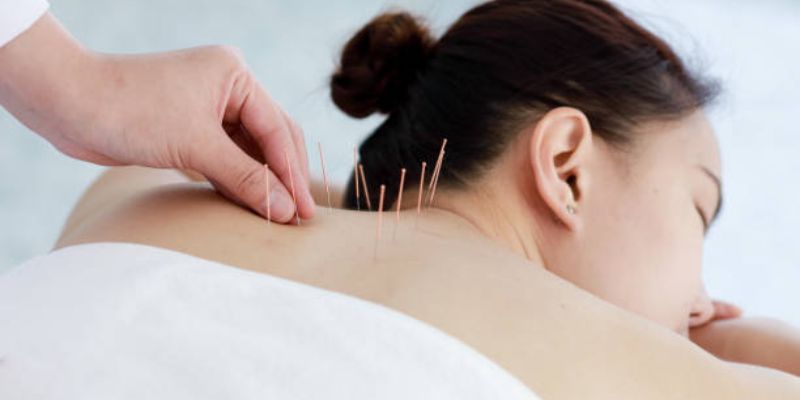
My first session was awkward. I was lying on a table as the practitioner poked little needles in my skin. It was weird, but not painful. But after a few sessions, something changed. My back pain didn’t vanish overnight, but it eased. I realized that I wasn’t taking ibuprofen every morning. According to the practitioner, acupuncture works to alleviate inflammation and release tension, through placement of needles into specific points in the body. This can help your body heal itself over time.
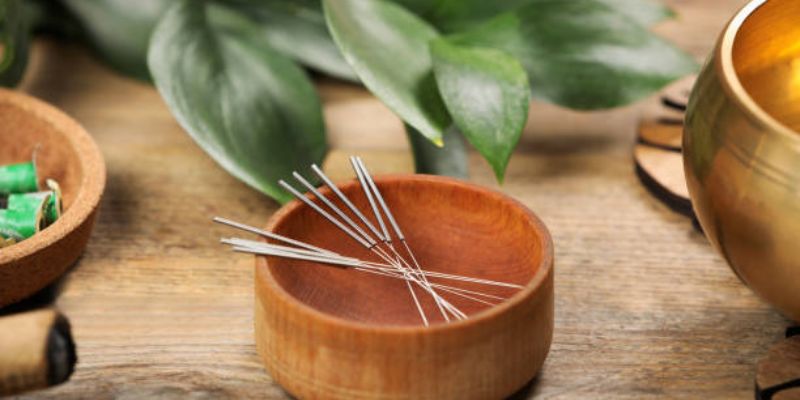
Science backs this up. Research suggests acupuncture can decrease pain levels by stimulating the body’s own pain relievers, such as endorphins. It’s not just about dulling the pain, it’s about treating the root of the problem. For me, that translated to being less stiff and being able to move freely without medication.
Just When You Need It, Acupuncture Eases Stress
One note: pain and stress have best friends for each other. I had back pain that flared up when I was stressed. I was more stressed when my back hurt. Acupuncture broke that cycle. I learned to breathe deeply, relax during treatments. The needles worked not only on my muscles — they seemed to soothe my mind as well.
It turns out that acupuncture slows the body’s stress response. It reduces cortisol, the hormone that makes you feel revved up and exhausted. After a few weeks, I started to sleep better. My headaches (which I had ignored for years) became less common. I even was able to tackle work deadlines without feeling under any pressure.
Full Treatment: Why More Athletes Are Turning to Acupuncture
I’m not a runner, but I saw athletes at my gym posting on Facebook about acupuncture. One said it helped her recover more quickly from workouts. She wasn’t alone. Research indicates that acupuncture increases blood flow, which brings more nutrients to the tissue and leads to faster muscle repair. It also reduces swelling and breaks down scar tissue, so it’s a secret weapon for injuries.
For me, that translated to fewer aches after weekend hikes. My knees, which had always protested during long walks, felt stronger. And you don’t have to be an athlete for this to matter. Simple tasks — such as lugging groceries or horsing around with kids — become easier when your body isn’t mired in “ouch mode.”
How Acupuncture Can Help You Sleep Better
Before the acupuncture I would be up at night replaying my find list. Now I drift off more quickly and remain asleep. How? Acupuncture rebalances the nervous system so that your body goes from “fight or flight” to “rest and digest.” And it’s not only about feeling relaxed — it’s about addressing the sleep disruptions that pain often brings.
Acupuncture helped people with chronic pain sleep longer and wake up less, one study found. I noticed this too. No more 3 a.m. wake-ups with a cricked neck. Improved sleep led to increased energy, which made sticking to healthy habits easier. It’s a win-win.
How Acupuncture Outwits Chronic Pain
Chronic pain is tricky. It’s not just physical — it affects your mind, too. I felt like I was hopeless; like I’d never be “normal” again. Acupuncture gave me hope. Over the years, my pain not only faded; it didn’t come back.
From the science, it’s a fascinating story. Stimulating those nerves sends signals to the brain that release chemicals to block pain. It also increases serotonin, the “happy hormone” that can ease the emotional toll of chronic pain. For conditions such as arthritis or sciatica, that translates to less-frequent flare-ups and a better quality of life.
Why Doctors Are Now Prescribing Acupuncture
I was astonished when my GP suggested acupuncture. “It’s based on evidence,” she said. It is recommended by major health organizations like the World Health Organization to relieve pain. Hospitals even employ it in conjunction with physical therapy and medication.
This is not only for “alternative” people. Acupuncture is safe and has few side effects, and it meshes well with other treatments. My practitioner worked with my doctor to design sessions to meet those needs. It felt soothing — as if I wasn’t casting my lot with Western medicine or holistic care.
The Miracle of: Mental Clarity
Pain is distracting. It’s difficult to concentrate when your body hurts. I went home sharper after acupuncture. My brain fog lifted. I was able to focus on work without my back crying out for attention.
This makes sense. Because pain induces inflammation, the latter alters brain function. Acupuncture clears inflammation and allows your mind room for clear thinking. I began journaling again and even took up a hobby I had let slip away. It felt like reclaiming some of my life.
Acupuncture for Gut Issues (Yes, You Read That Right!)
This one surprised me. My practitioner said acupuncture might assist with digestion. I had been having issues with bloating for years, so I decided to give it a shot. My stomach began to settle after a few sessions.
Acupuncture also stimulates the vagus nerve, which governs digestion. It can relieve symptoms of IBS, constipation, or acid reflux. For me, this was a bonus. Less pain + better digestion = a happier, healthier me.
Is Acupuncture Right for You?
Acupuncture isn’t a miracle cure. It wasn’t quick, and it took time, consistency, patience. But for me the tradeoff was worth it. If you’re wondering, here’s what to think about:
Find a licensed practitioner. Verify credentials and review comments.
Be open-minded. It may feel awkward at first, but it works.
Combine it with other care. Acupuncture is most effective as part of a holistic plan.
Reclaiming Your Journey of Pain
You’re not doomed to live with pain. Acupuncture showed me that healing is possible — and that it doesn’t always come in a pill bottle. It’s about tuning into your body and experimenting with new tools.
If you’re on the fence, I understand. I was too. But what’s the harm in giving it a whirl? The worst that could happen is you discover something new about your body. The best? You may just achieve relief that you never thought possible.
Next Steps to a Pain-Free Life
Ready to explore acupuncture? Begin by speaking to your doctor. They can help you determine whether it is a good fit. Do some research about local practitioners, and remember — small steps are huge changes. Your body deserves some TLC, and sometimes the oldest remedies are the smartest ones.